Sound. Sense. Soul.
Classical music and philosophy as practical tools for focus, creativity and meaning. Not just performance art.

We hear music all the time. We rarely listen.
Streaming makes listening easy, but it seldom tells the stories behind the music, its history and culture, or the big questions it raises. Above all, it does not ask us to slow down and pay attention.
Educators face another challenge: few easy-to-use resources link music with history, philosophy, literature, creativity and personal growth in a way that really engages students.
What can music do for us? Relaxation, concentration and education.
For schools and teams
Classical music as a practical tool for focus, creativity and communication, in the classroom or at work.

In the classroom
Lesson materials for primary schools that connect listening with stories, history and creativity.
At work
Talentbox supports personal growth and positivity, on your own or in team training.
Essays

Both are classics in terms of recognition: Vivaldi’s Four Seasons and AC/DC’s hard rock hits. What do they have in common?
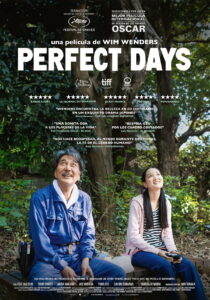
A toilet cleaner in Tokyo, a stack of cassettes and a bicycle: what the film Perfect Days by Wim Wenders says about craft, repetition and the freedom of a small, chosen life.

Neither Bach nor the Beatles invented their music, but both became its reference point. Three roads from Leipzig to Liverpool, and two different ideas of freedom.
Publications
Books, lessons and materials that put the ideas into practice.